Learning
Environment
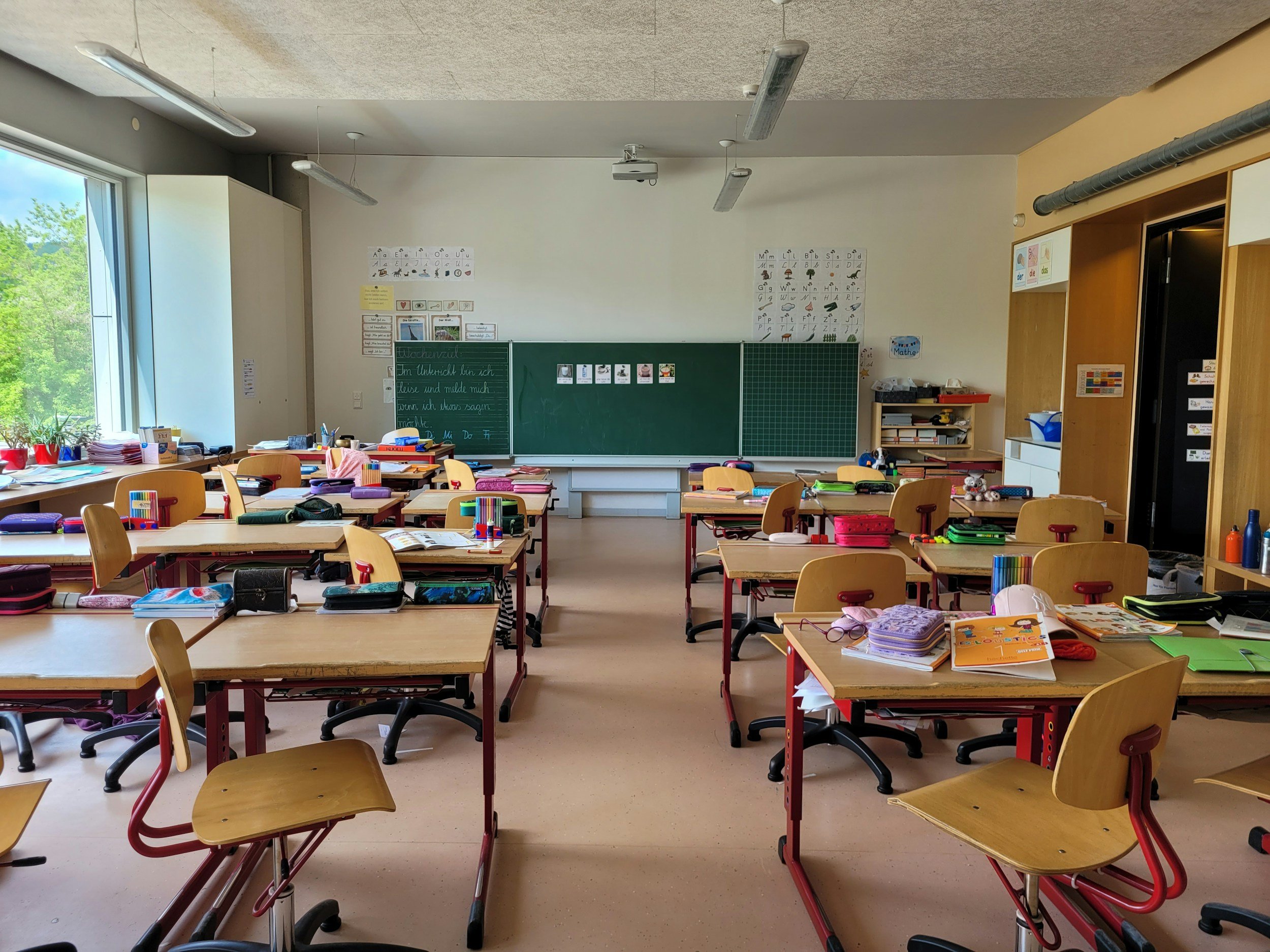
I strive to cultivate a learning environment that strikes a careful balance between structure, creativity, and inclusion. The following moments showcase visual displays that celebrate students' identity, lesson artifacts that integrate technology and tangible materials, and elements that contribute to the creation of a classroom where students feel represented, engaged, and connected.
Teaching in Action
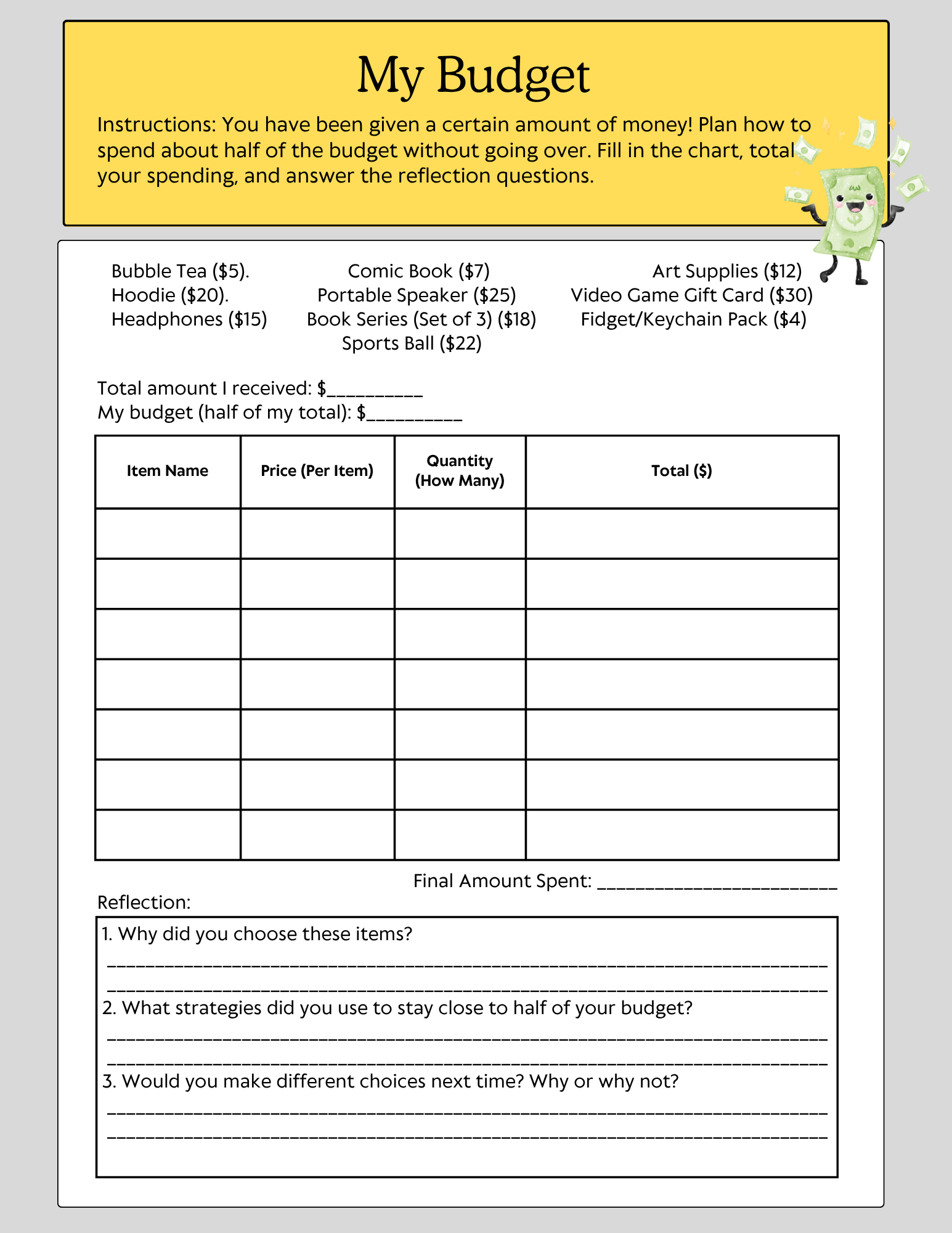
This lesson invited students to apply mathematical concepts in financial literacy, such as addition, subtraction, multiplication and division, through a hands-on budgeting activity. Students were given a “shopping list” where they could apply their current knowledge surrounding positive spending behaviours in relation to a set budget. With this concept being a novel one, I aimed to engage students in a slower pace, presenting items one by one with lesser tech integration.
While I place value on technology integration, I understand the importance of delivering content that aligns with the momentum taking place in students’ minds. Students engaged in this interactive task, then explained their spending decisions, encouraging the deeper thinking that is involved in motivating spending decisions in the real world.
Creating Inclusive Spaces Through Culturally Responsive Learning
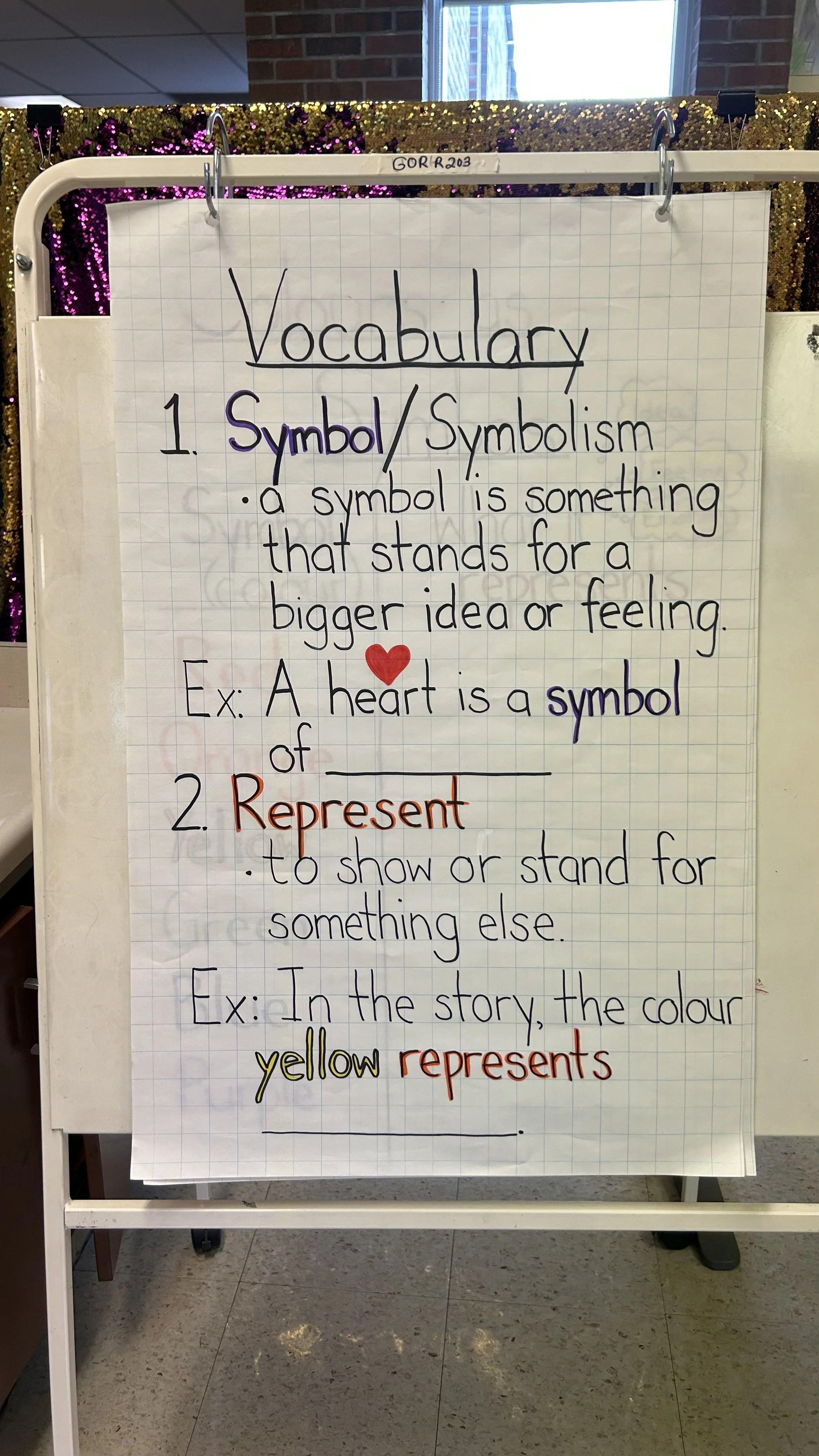
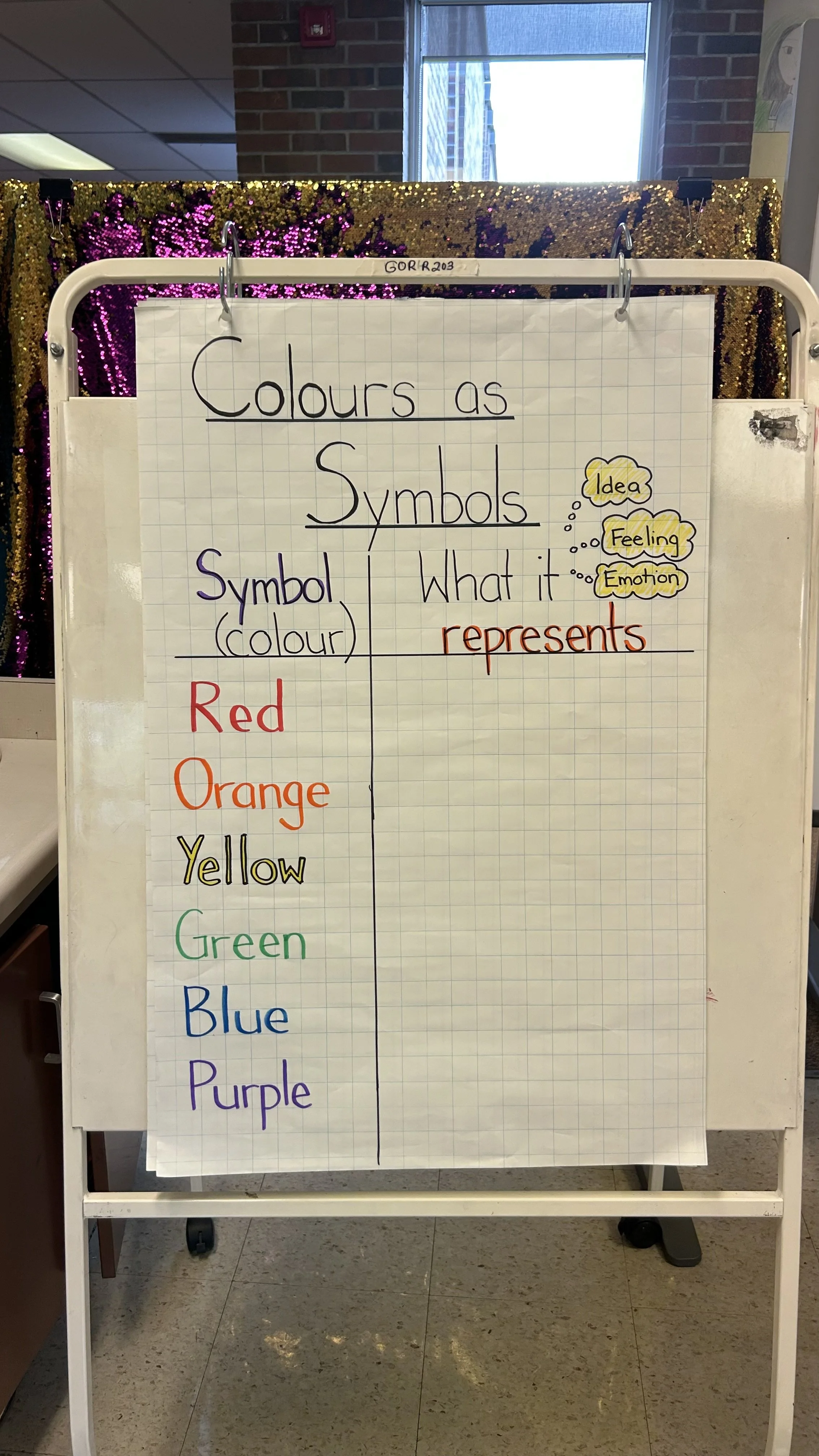
This classroom display and experience grew from a literacy-based inquiry centered on We Are Water Protectors (by Carole Lindstrom and illustrated by Michaela Goade), a story that explores environmental stewardship and Indigenous symbolism. Preceding this, I taught a lesson on how colours can represent different emotions, followed by lessons on symbolism through the Seven Grandfather Teachings. These teachings further extended into learning about Indigenous cultures, Pow Wows, and contemporary Indigenous voices.
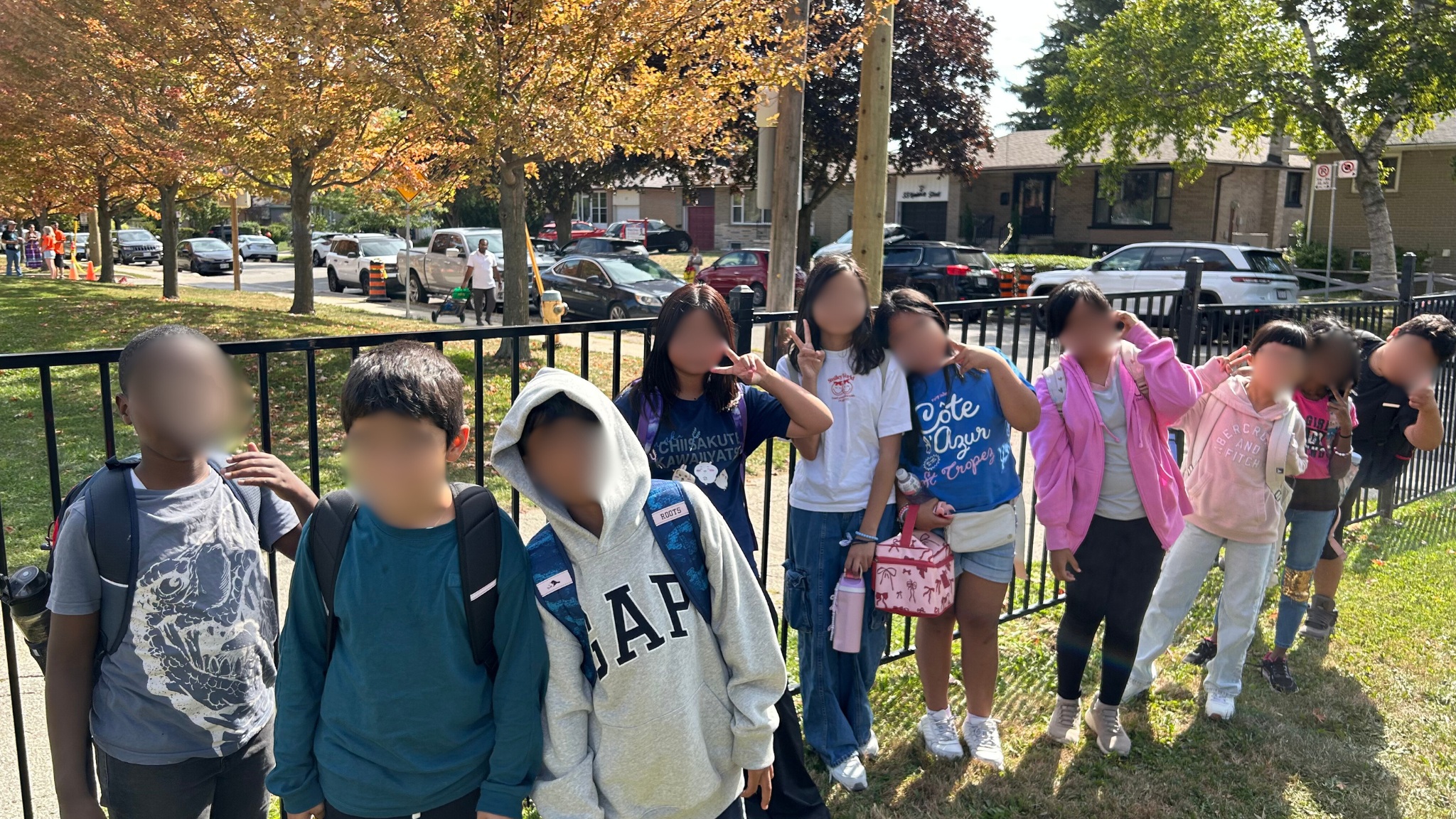
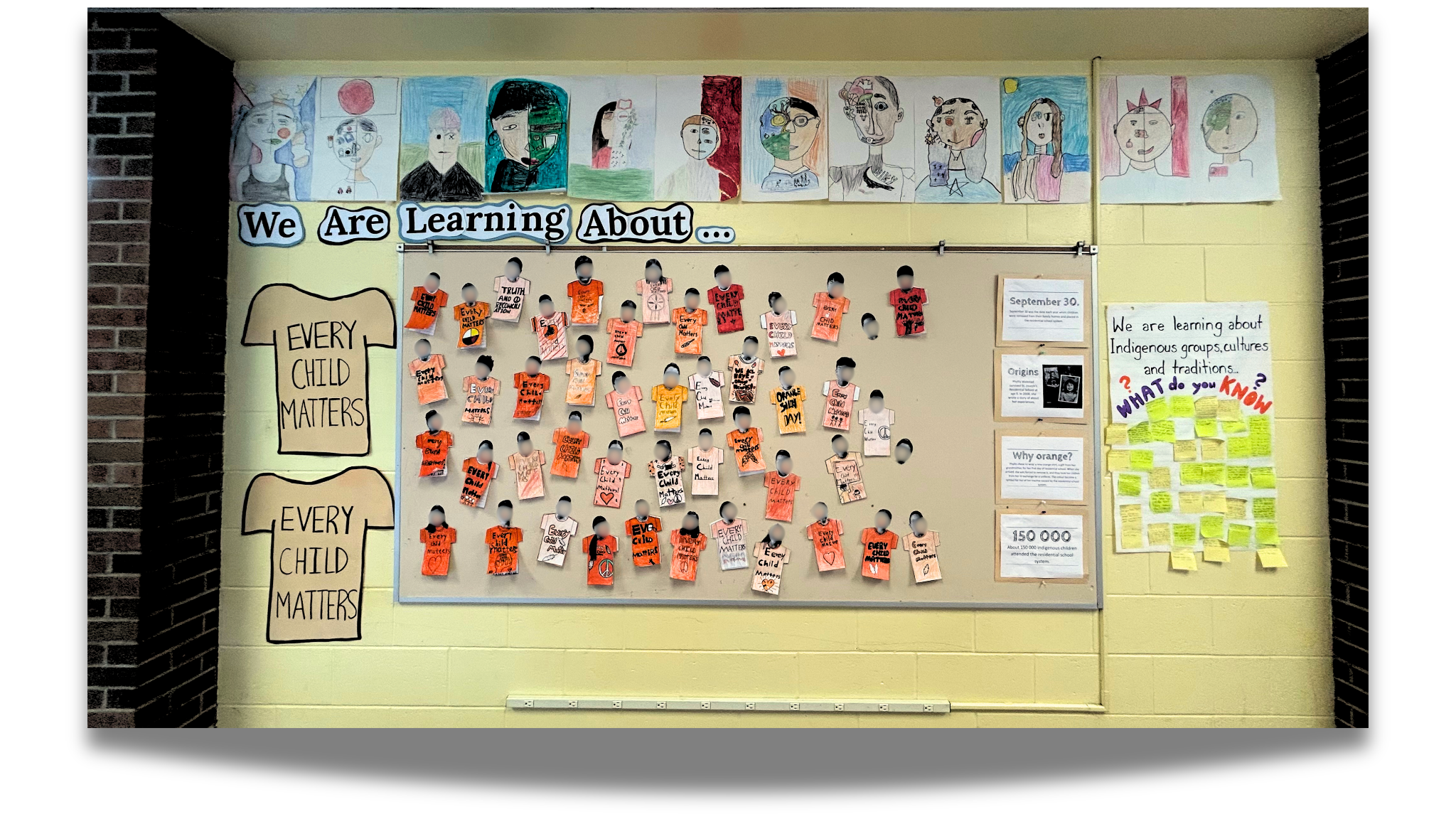
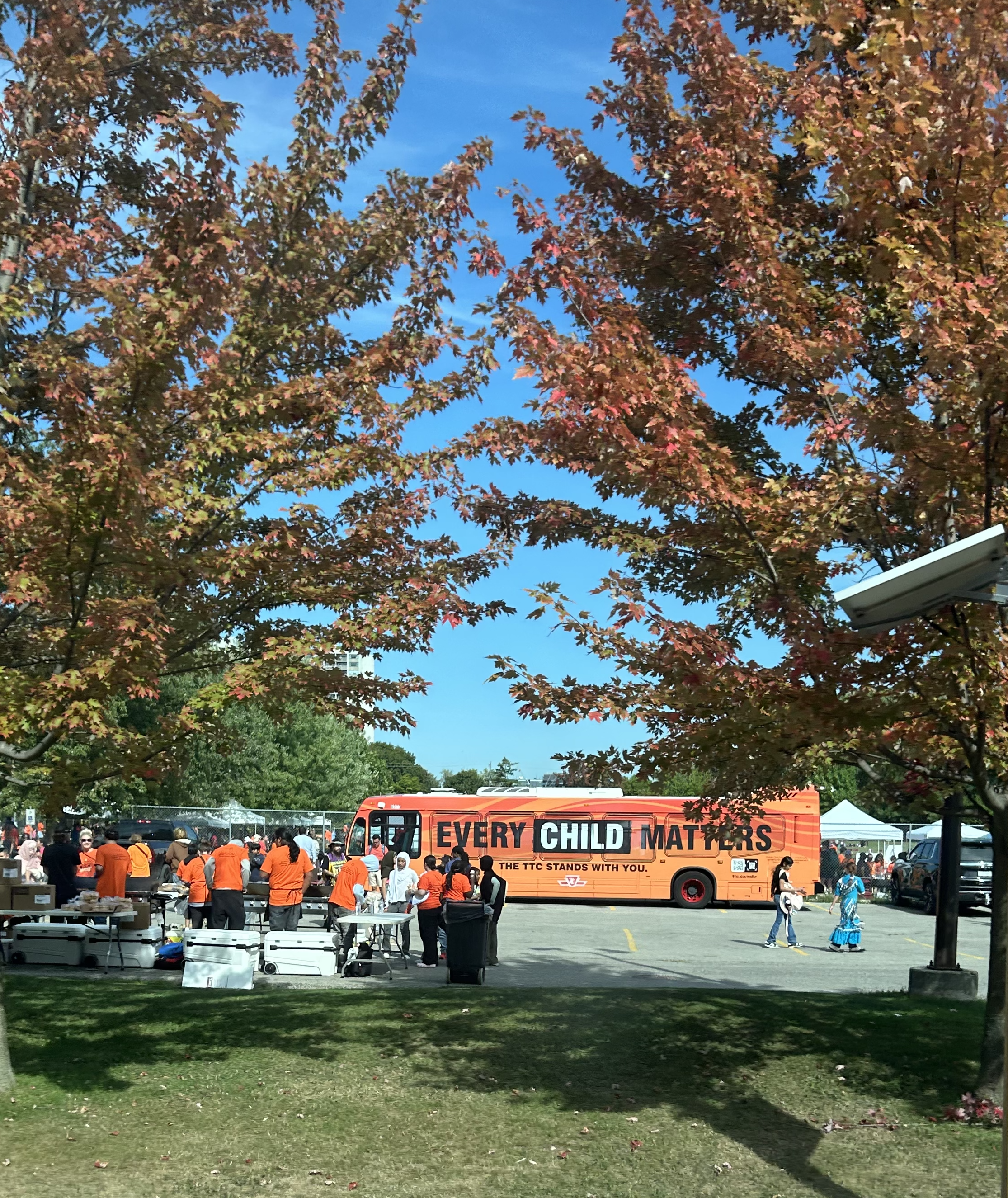
These lessons culminated in a school-wide trip to an Indigenous celebration at a local school, where students were able to witness a live Pow Wow and connect their classroom learning to lived cultural experiences. To conclude the unit, students participated in various classroom discussions on residential schools (led by my cooperating teacher) and produced written reflections leading up to Orange Shirt Day. In celebration of our learning, I designed a hallway display featuring individually created orange shirts and student portraits; a display of unity, empathy and remembrance for residential school endurers and survivors.
Supporting English Language Learners
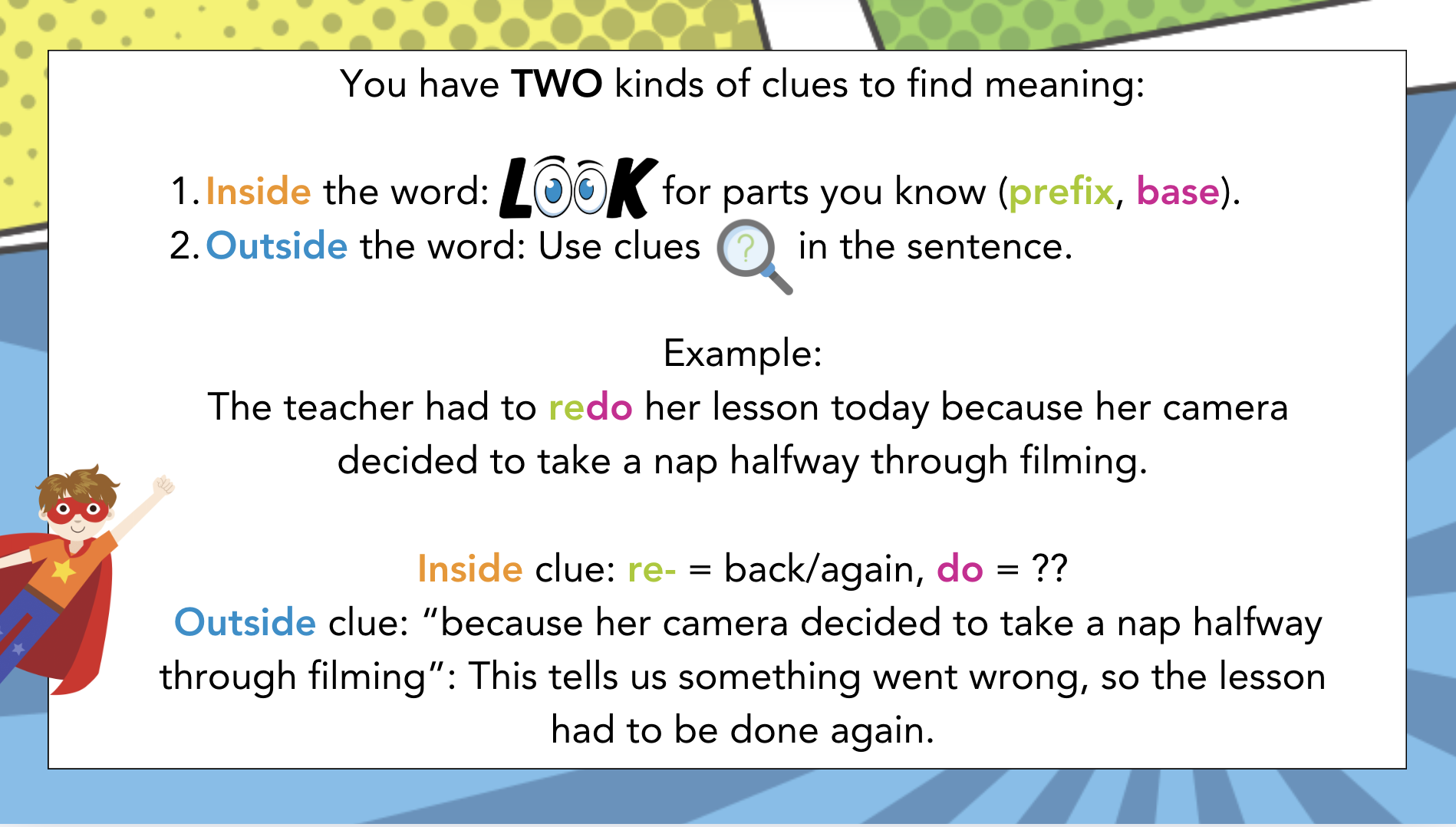
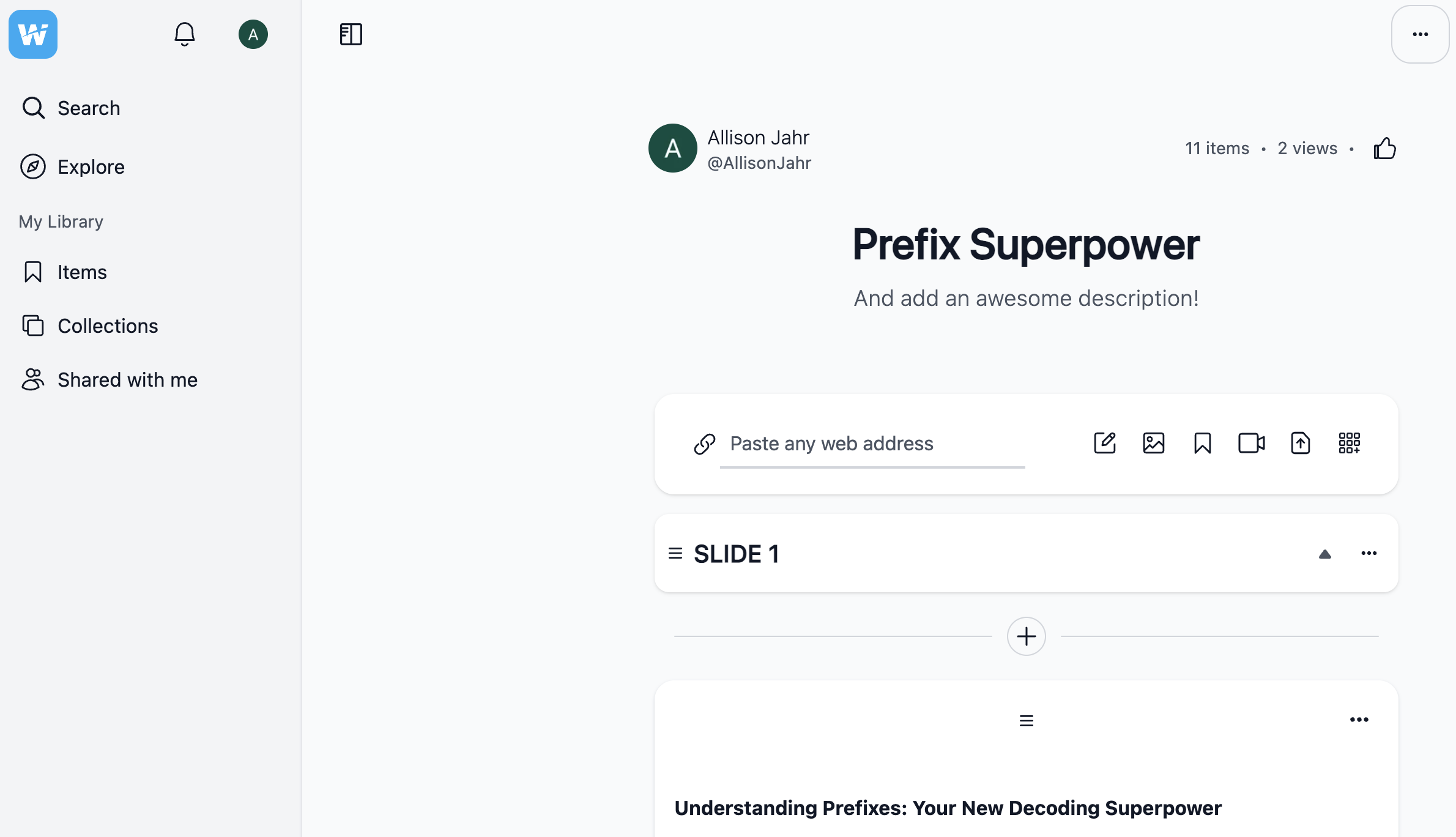
These artifacts demonstrate how technology can be used to scaffold teaching and provide access to ELLs. Here, I have used Canva Slides to insert colour coding, indicating key linguistic elements central to this lesson: prefix, base word, inside clues (within the word) and outside clues (context). Additionally, I have inserted imagery that cues the reader to the action: “Look for the parts you know” replaces “o’s” for eyes, and “clues” is accompanied by a magnifying glass. These small and consistently used tools aim to assist the learner in navigating complex language and novel terminology throughout the lesson. I use sentence frames on the slides that carry over into the station work tasks, scaffolding learning further for added support.
I use Microsoft Immersive Reader, embedded in the Wakelet Platform, to provide ELLs with the same academic content with added capabilities. This platform allows me to use features such as text-to-speech, translation, adjusted spacing and speed, highlighting of various components of language (nouns, verbs) and much more. This allows students to engage with the content at their own pace and revisit challenging sections, utilizing support in their home language if necessary.
Designing for Access: Technology and Differentiation
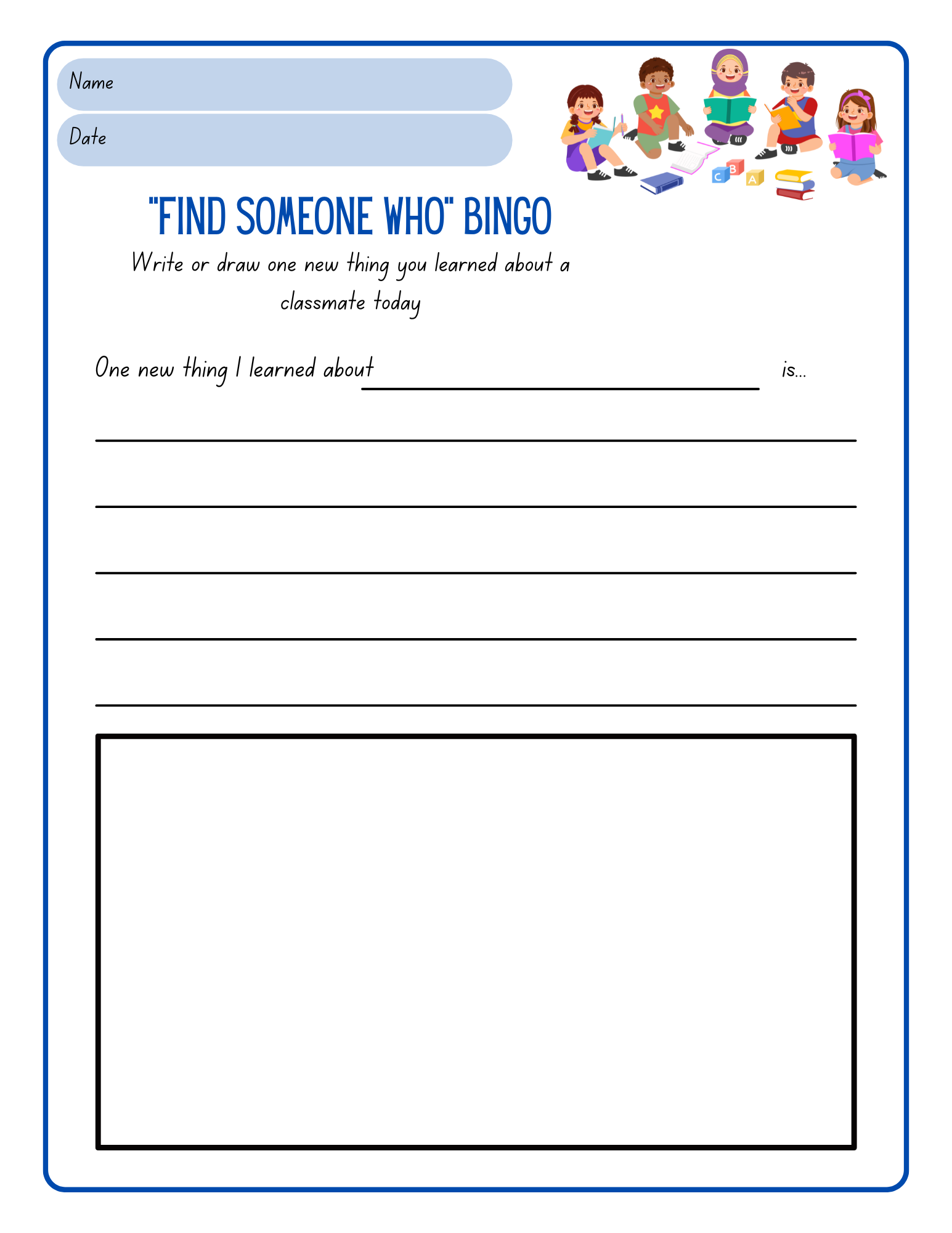
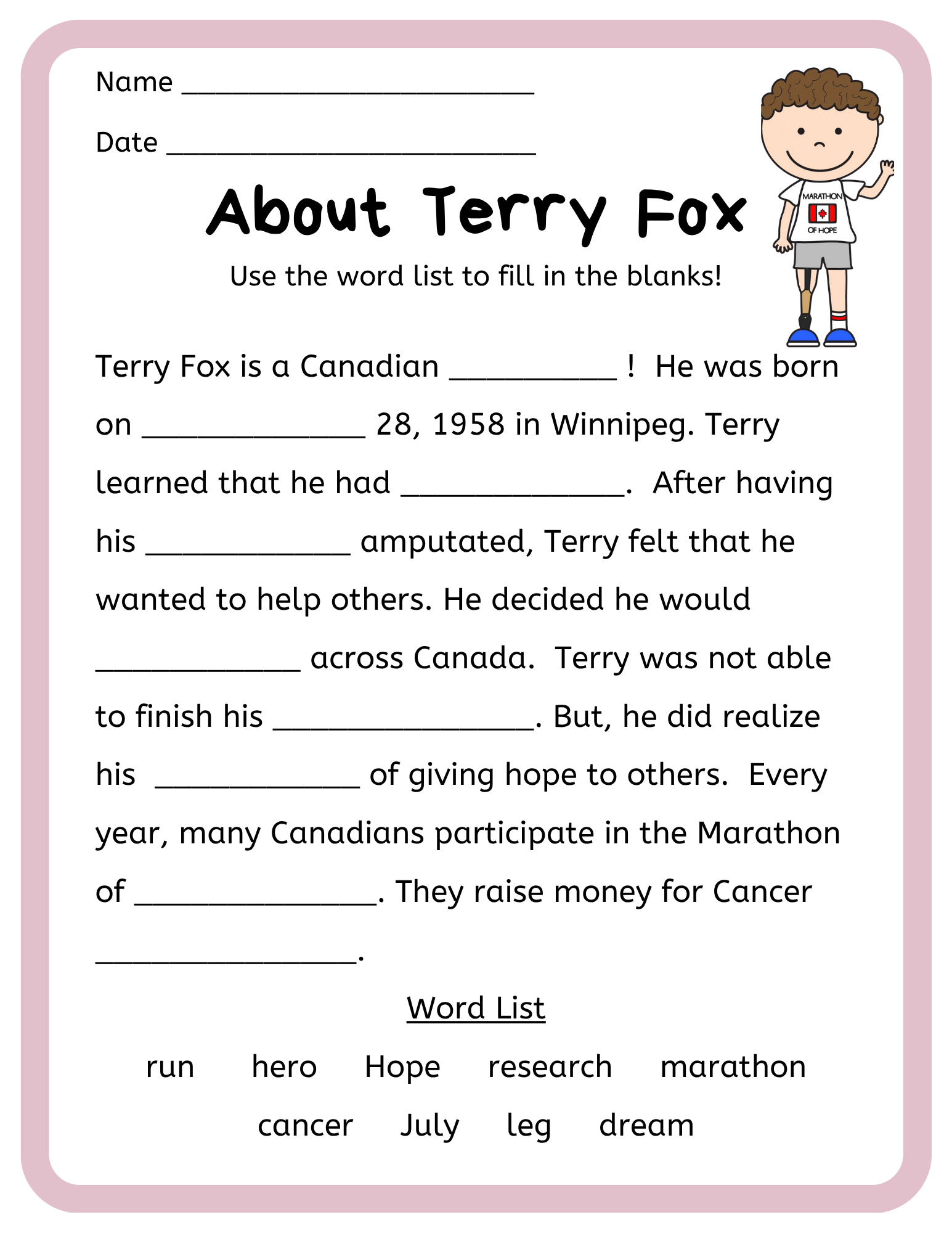
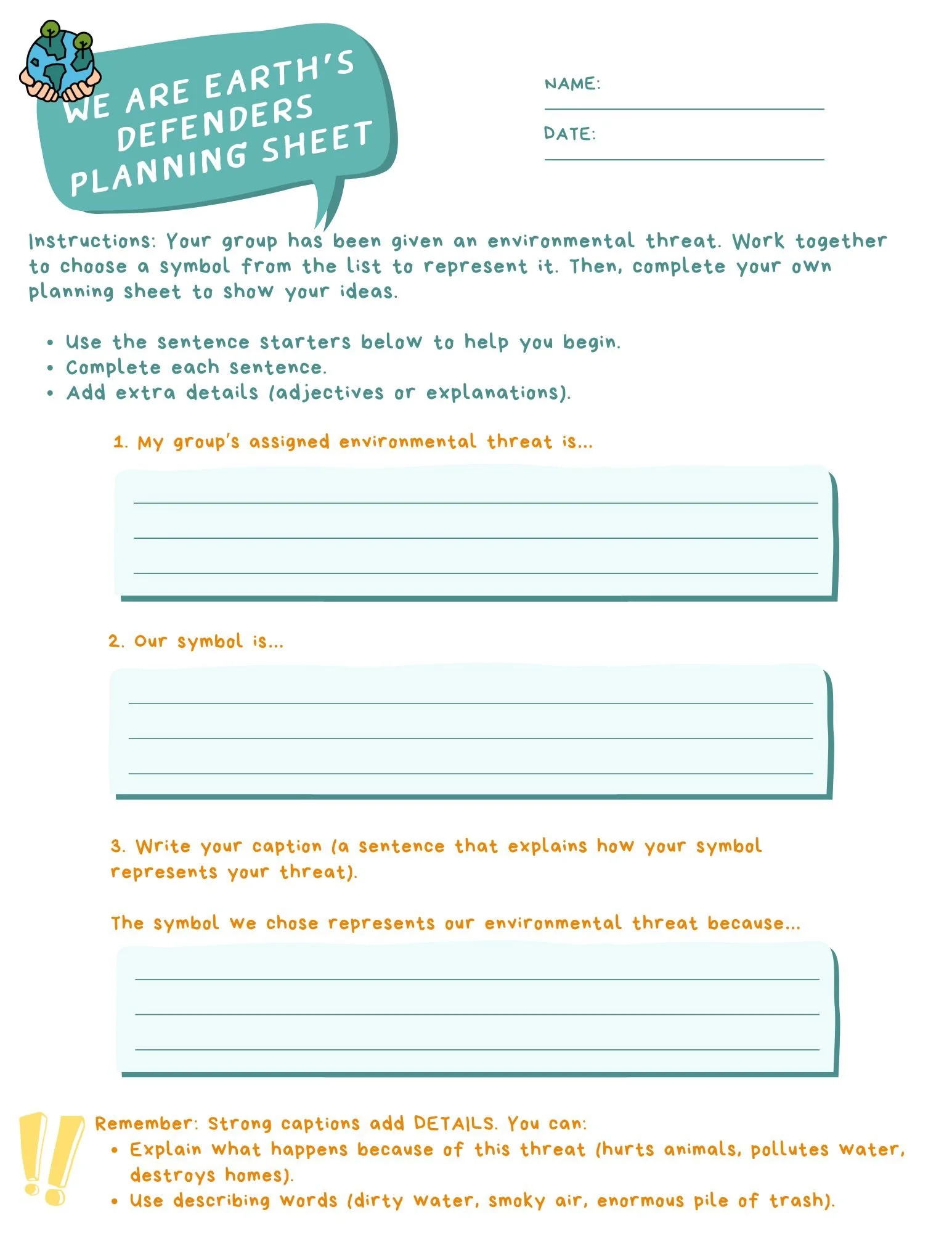
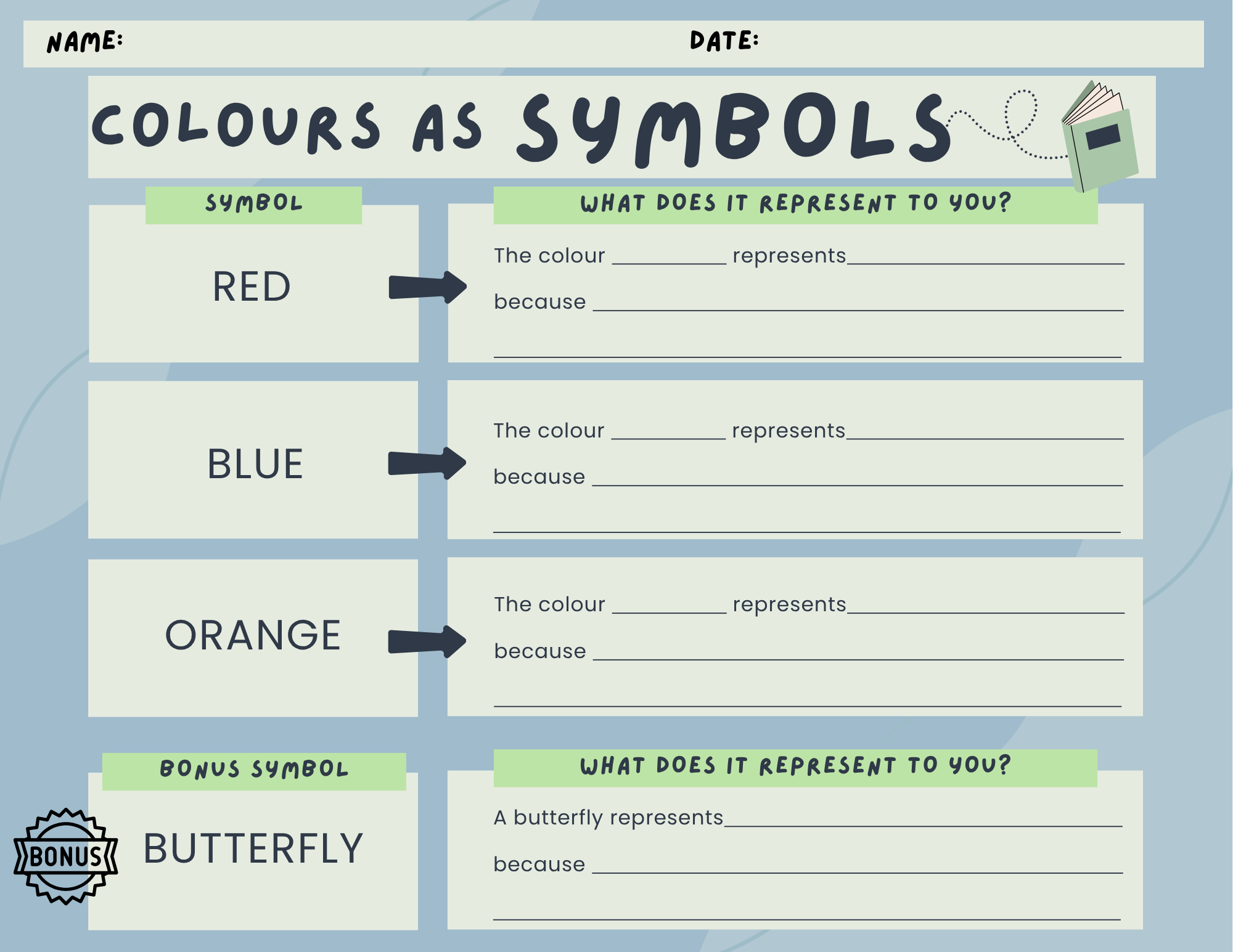
Canva has been an essential tool for me in classroom assessment creation. As I journey into the profession, I continue developing skills in assessment design, aiming to align with curriculum expectations, catering to the diverse needs of students (namely, students with IEPs and ELLs), and facilitating continued pen-to-paper learning. Canva allows me to design assessments that are clear, engaging, and intellectually and interactively stimulating.

Visual Learning Supports: Making Thinking Visible (Classroom Design)
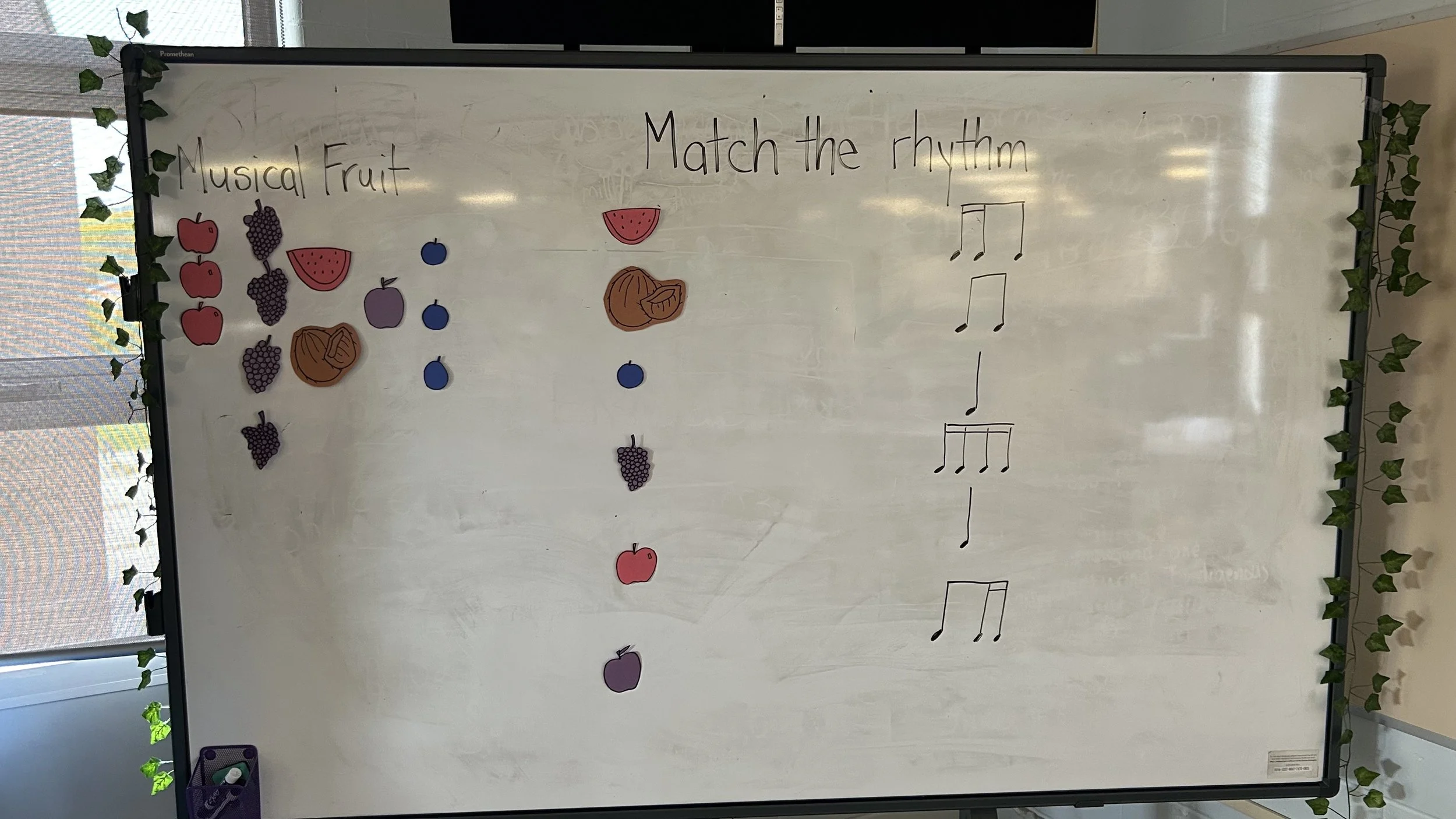
Slowing down with purpose is the theory behind my efforts to create purposeful knowledge-building environments, particularly when introducing students to novel information. Partially inspired by Bridgette Gubernatis, my incorporation of the “tangible” is aimed to pace the learning experience alongside students’ cognitive momentum. Hands-on materials that encourage a step-by-step building of knowledge, facilitate technology-free engagement in the appropriate moments, allowing these tangible materials to act as carefully implemented tools rather than a hindrance.